Contact EPBRS Now

EPBRS: Expert Pool Barrier Repair Service

Pool barrier safety inspection Queensland

The Queensland pool safety system, including Form 23 (F23) and Form 26 (F26), was introduced as part of major reforms to reduce childhood drowning incidents. These reforms were strengthened around 2010 when the state implemented stricter, standardised pool safety laws requiring all regulated pools to meet uniform barrier standards.

How we work

Form 23 is the Pool Safety Certificate issued by a licensed inspector when a pool complies with safety standards, confirming that barriers, gates, and non-climbable zones meet legal requirements.Once issued, the certificate is valid for 2 years for rental or shared properties and indefinitely for owner-occupied homes (unless the property is sold or leased).

In contrast, Form 26 is a Nonconformity Notice issued when a pool fails inspection, outlining defects and required corrective actions. The notice lists the problems that must be addressed, such as gaps in fencing, faulty gates, or climbable objects near the barrier. The property owner then has 90 days to repair the issues and arrange a re-inspection. If the pool passes the second inspection, the inspector issues the F23 certificate, confirming the pool barrier is now compliant and safe.
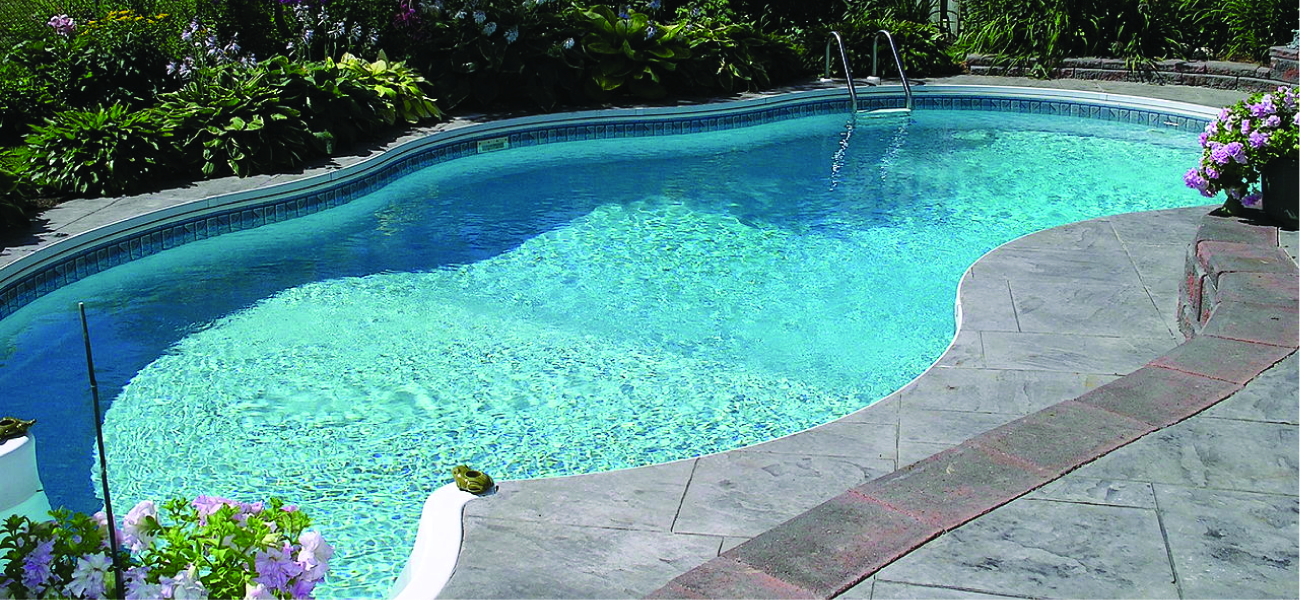
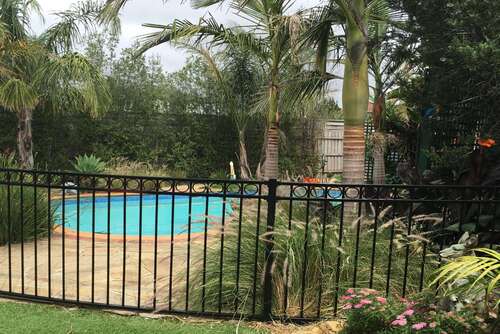
To obtain a Form 23, a licensed Pool Safety Inspector (registered with the QBCC) must inspect the pool and verify the following: Fencing: Minimum 1.2 metres high from the finished ground level. Non-climbable Zones (NCZ): A 900mm radius around the fence and a 300mm space inside must be clear of potential climbable objects (trees, chairs, shrubs).

Gaps: Gaps under the fence must not exceed 100mm. Gates: Must be self-closing and self-latching from any position, with the latch at least 1.5 metres high. No Direct Access: No doors from the house can open directly into the pool area (unless exemptions apply). Signage: An up-to-date CPR sign must be displayed, visible, and attached near the pool.

Queensland pool fencing compliance check

How we work

Once you contact us, by filling out our contact form or calling/texting us (0414 618 500), we will arrange a convenient time for our inspector to visit your property. If all is well she will issue a Form23 and the process is complete.
But if there are compliance problems a form 26 will be issued along with a second document detailing all the points that need to be adressed. Note that once an F26 is issued you have 90 days before recertification is required.
At this point you can either attempt to fix the barriers yourself, contact a 3rd party, or use our services - starting with a free quote. The advantage of trusting EPBRS to do the job is that once completed WE GUARANTEE COMPLIANCE and an F23 certificate.
Once the repairs are finished, we arrange a re-inspection (with the same inspector) and you are issued the F23 certificate.

Pool fencing options and compliance checklist Queensland

What Matters?

Achieving compliance is mostly about consistent maintenance and awareness rather than major expense. Regularly inspect the fence, gates, and latches to ensure they operate smoothly and close securely every time. Keep the non-climbable zone clear by removing furniture, pots, and trimming vegetation. Check for gaps, wear, or damage and repair promptly. Confirm windows and access points meet current standards, and ensure the CPR sign is visible and legible. Staying proactive with small checks and fixes makes achieving and maintaining compliance straightforward and stress-free.

To obtain a Form 23, a licensed Pool Safety Inspector (registered with the QBCC) must inspect the pool and verify the following: Fencing: Minimum 1.2 metres high from the finished ground level. Non-climbable Zones (NCZ): A 900mm radius around the fence and a 300mm space inside must be clear of potential climbable objects (trees, chairs, shrubs).

Gaps: Gaps under the fence must not exceed 100mm. Gates: Must be self-closing and self-latching from any position, with the latch at least 1.5 metres high. No Direct Access: No doors from the house can open directly into the pool area (unless exemptions apply). Signage: An up-to-date CPR sign must be displayed, visible, and attached near the pool.

Pool safety gate self-closing latch compliance Queensland

Since becoming mandatory for property sales and leases, the Queensland pool safety system, has significantly improved compliance and awareness. Well-maintained barriers are proven to reduce drowning risks, particularly among young children. Overall, the F23/F26 framework is considered effective, combining enforcement with clear guidance to ensure safer pool environments across Queensland.

Compliant pool barrier Queensland backyard

Call EPBRS and take the stress out of pool compliance. We handle inspections, repairs and fixes quickly, so you can relax knowing your pool is safe, compliant, and ready to enjoy.