The Queensland pool safety process
Form 23 means the inspected pool barrier complies. Form 26
means problems were identified.
A Form 23 pool safety certificate can only be issued by a
licensed Pool Safety Inspector. If our inspector is satisfied that
the pool barrier complies with the Queensland pool safety standard,
she can issue the certificate through the pool register.
If the barrier does not comply, our inspector will generally issue a
Form 26 nonconformity notice identifying the defects and the
changes required. iPoolCert can help review those listed items and
organise suitable rectification work before the follow-up
inspection.
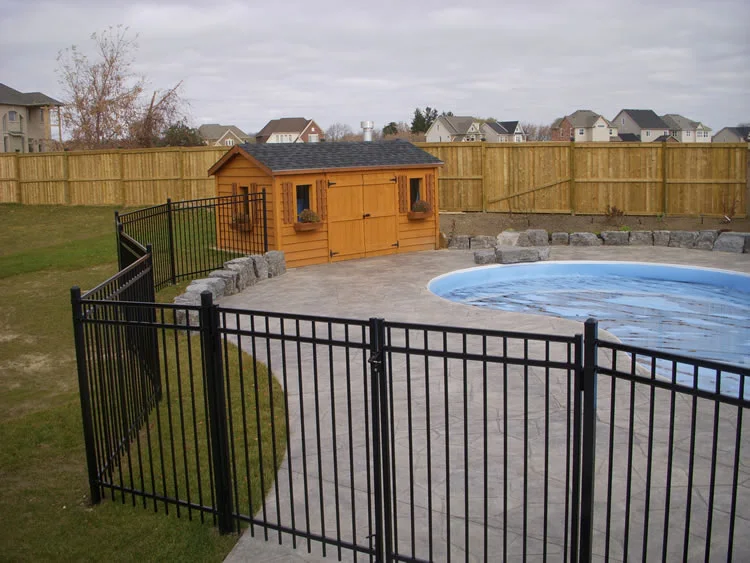
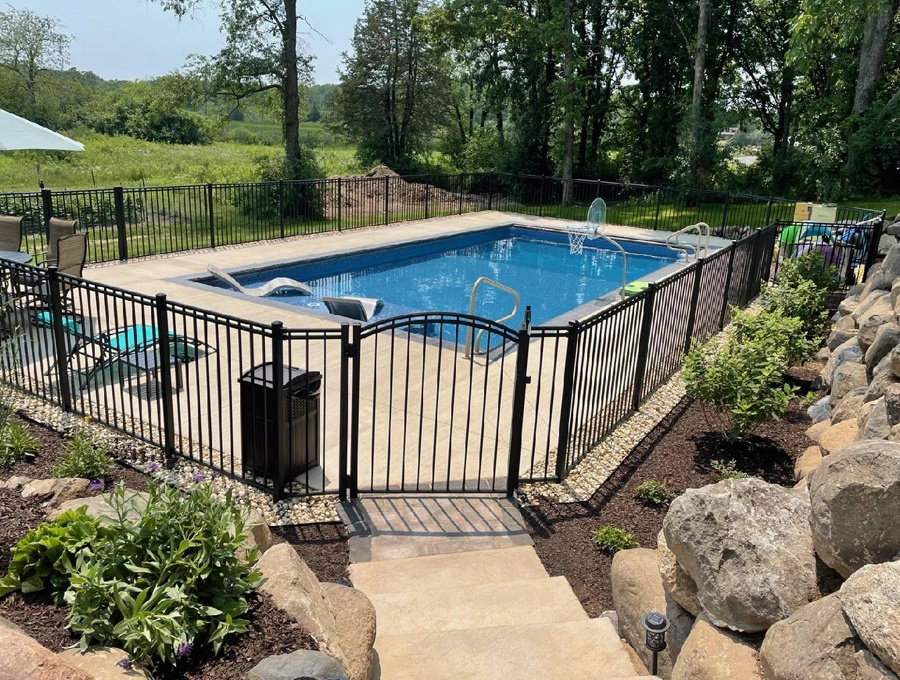
How Form 23 pool safety certificates work
A Form 23 is the pool safety certificate issued by a licensed
Pool Safety Inspector when the pool barrier complies with the
Queensland pool safety standard. Pool safety certificates are valid
for two years for non-shared pools and one year for shared pools.
Certificates are especially important when a property with a pool is
being sold or leased. Even when a certificate is not currently
required for a transaction, the pool barrier must still remain
compliant with the applicable safety requirements.
Common pool barrier compliance checks
Our licensed Pool Safety Inspector assesses matters such as barrier
height, non-climbable zones, gaps under and through the barrier,
gate self-closing and self-latching operation, access from buildings
and the condition of the barrier itself. CPR signage is also part of
the pool safety requirements.
Exact requirements depend on the barrier and site conditions. Our
Pool Safety Inspector determines whether the pool complies and what
must be rectified if it does not.
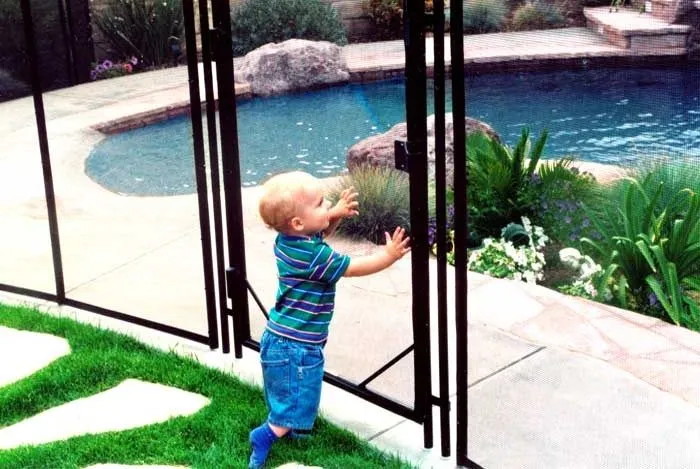
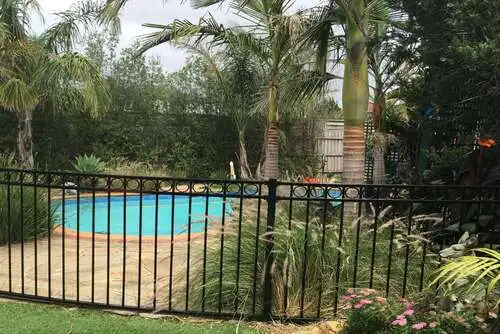
Form 26 rectification
Pool barrier issues commonly listed on a Form 26
- Climbable objects near the barrier
- Window access to the pool area
- Insufficient barrier height
- Excessive ground clearance
- Climbable louvres or horizontal elements
- Non-climbable zone obstructions
- Missing or unsuitable CPR signage
- Boundary fence issues
- Incorrect gate swing direction
- Direct access from the house
- Gate not self-latching
- Gate not self-closing
- Barrier damage or deterioration
- Gaps in or under the barrier
- Latch or hinge positioning issues
- Trees and vegetation in climbable zones
- Loose or structurally unsound sections
- Other site-specific nonconformities
After a Form 26 is issued, the same Pool Safety Inspector must
generally carry out the follow-up inspection within three months.
The Form 26 itself is the best guide to the specific work that
needs to be addressed at your property.